What Happened in Northern Iraq?
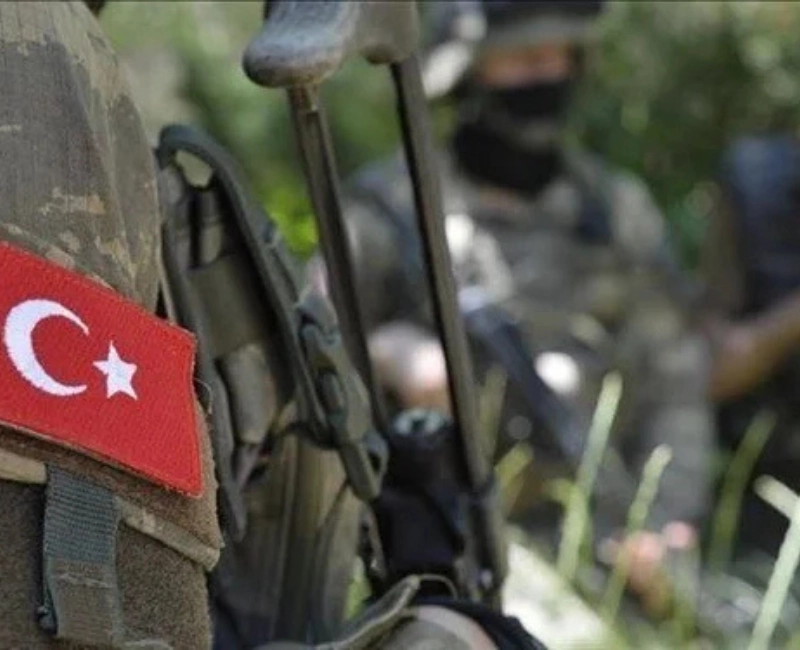
In a heartbreaking incident, twelve Turkish soldiers lost their lives due to a methane gas explosion in northern Iraq. The tragedy occurred during a military operation, highlighting the unpredictable dangers faced by armed forces in conflict zones. The soldiers were reportedly conducting a mission in a region known for its complex terrain and hidden hazards when the accident took place. Methane gas, often undetectable without specialised equipment, can accumulate in confined spaces, leading to deadly explosions when ignited.
This incident underscores the broader risks military personnel face beyond direct combat. Environmental hazards, such as gas leaks or unstable terrain, pose significant threats during operations. The Turkish Ministry of Defence confirmed the casualties, expressing deep sorrow and vowing to investigate the circumstances surrounding the tragedy.
Why Did This Tragedy Occur?
The exact cause of the methane gas buildup remains under investigation, but several factors could contribute to such an incident. Northern Iraq's geological composition includes natural gas deposits, which can seep into underground spaces or tunnels. Military operations in such areas may inadvertently disturb these deposits, releasing hazardous gases. Additionally, inadequate ventilation in confined spaces can trap methane, creating a lethal environment.
This tragedy mirrors similar incidents worldwide where environmental factors have claimed lives during military or mining operations. For instance, in 2010, a methane explosion in a West Virginia coal mine killed 29 miners, emphasizing the dangers of undetected gas accumulations. Proper detection and safety protocols are critical to preventing such disasters.
How Does Methane Gas Pose a Threat?
Methane (CH₄) is a colorless, odorless gas that is highly flammable and can displace oxygen in enclosed spaces, leading to asphyxiation or explosions. In military contexts, where operations often occur in caves, tunnels, or underground facilities, methane buildup can go unnoticed until it's too late. Unlike industrial settings, where gas detectors are standard, field operations may lack such equipment due to mobility constraints.
Practical applications of methane detection, such as in mining or oil drilling, demonstrate the importance of preventive measures. Portable gas detectors, proper ventilation, and hazard awareness training could mitigate risks for soldiers operating in high-risk zones. The Turkish military may now consider enhancing its safety measures to prevent future tragedies.
The Human Cost: Remembering the Fallen
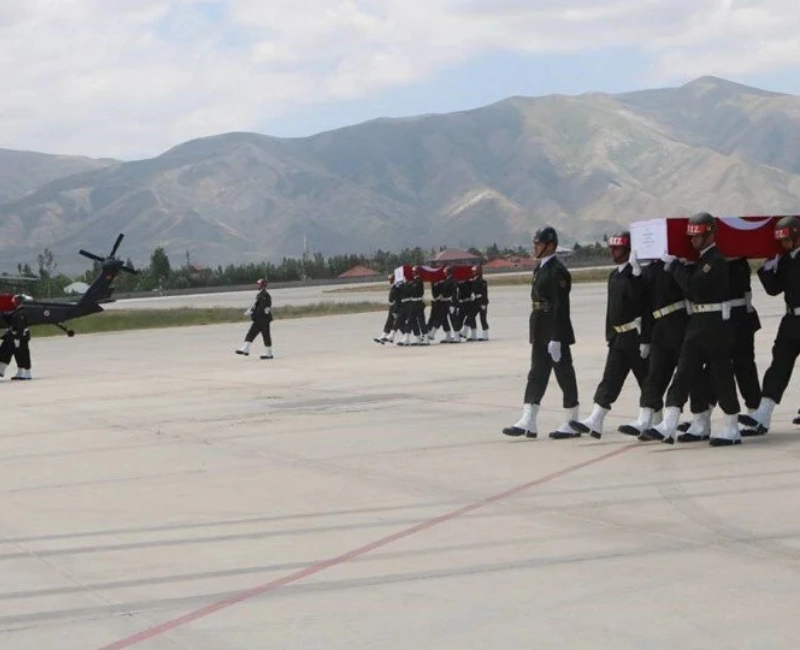
Behind the statistics lie eight lives cut short, leaving families and a nation in mourning. The soldiers, whose names were later released by Turkish authorities, were hailed as heroes who made the ultimate sacrifice. Their deaths remind us of the silent dangers soldiers face beyond the battlefield—environmental threats that demand as much attention as enemy combatants.
Real-world examples, such as the 2014 Soma mine disaster in Turkey that claimed 301 lives, show how workplace hazards transcend industries. Whether in military or civilian roles, the need for rigorous safety standards is universal. The Turkish government has announced compensation and support for the martyrs' families, but the emotional void remains irreplaceable.
Lessons Learned and Path Forward
This tragedy calls for a reevaluation of safety protocols in military operations, especially in geologically hazardous regions. Investing in portable gas detection technology, enhancing situational awareness training, and conducting thorough environmental assessments before missions could save lives. Collaboration with geologists and environmental scientists might provide armies with better tools to navigate such risks.
For instance, the U.S. military employs advanced hazard-mapping systems in conflict zones to mitigate environmental threats. Adopting similar strategies could help Turkey and other nations safeguard their troops. While no measure can eliminate all risks, proactive steps can reduce the likelihood of similar incidents.
Global Reactions and Solidarity
The international community has expressed condolences, with neighbouring countries and NATO allies offering support. Such incidents highlight the shared vulnerabilities of armed forces worldwide and the importance of solidarity in times of loss. Social media campaigns under hashtags like #HeroesNeverDie have emerged, honouring the soldiers' sacrifice.
Comparatively, when 13 U.S. service members died in a Kabul airport attack in 2021, global outcry underscored how military tragedies resonate beyond borders. These moments remind us of the human cost of conflict and the collective responsibility to protect those who serve.